

-
Woodards House
Level 1, 47 Waymouth Street
Adelaide, SA 5000, Australia - +61 8 8410 5222
- [email protected]
Sitting the IELTS exam is one of the most important steps in your journey to study or work abroad. For many international students, the pressure of reaching a specific band score can feel overwhelming. But here is the good news: with the right preparation, the right environment, and the right support, your target score is achievable.
If you are based in Adelaide, you are already in a great position. This city offers a calm, English-speaking setting that is ideal for focused study. In this guide, you will find practical tips to help you prepare for each section of the IELTS test, and learn how structured IELTS preparation in Adelaide can make a real difference to your results.
Before you begin preparing, it helps to understand what the IELTS actually measures. The test has four sections: Listening, Reading, Writing, and Speaking. Each section tests a different skill, and each requires its own study approach.
Your overall result is called a band score. It runs from 1 (beginner) to 9 (expert). Most Australian universities require a band score of 6.0 to 7.0, and some professional registrations or visa applications have their own requirements. Knowing your target score before you start studying gives your preparation a clear direction.
The Listening section plays recordings of conversations and talks, and you answer questions based on what you hear. One of the most common mistakes students make is trying to understand every single word. In fact, good listeners focus on the key information, such as names, numbers, dates, and main ideas.
To improve your listening skills, practise with a range of English audio content every day. Podcasts, news broadcasts, and online lectures are all useful. As you listen, take short notes on the main points. This habit will help you during the actual test, where you only hear each recording once.
The Reading section includes three long passages on academic topics. You will be asked to identify information, understand the writer’s purpose, and match headings to paragraphs, among other tasks.
The key to doing well is reading actively, not just from start to finish. Scan the passage first to understand the topic, then read the questions carefully before going back to find the answers. Practise with a range of academic texts, such as articles from science or social studies magazines, to build speed and familiarity with formal writing styles.
Many students find the Writing section the most difficult part of the IELTS test. There are two tasks. Task 1 asks you to describe data, a graph, or a diagram. Task 2 asks you to write an essay presenting your opinion or discussing two sides of an argument.
Understanding the specific requirements of each task is essential. In Task 1, your description must be organised and accurate. In Task 2, your essay must have a clear introduction, well-developed body paragraphs, and a conclusion. Practising with real past exam tasks and getting feedback on your writing is the fastest way to improve.
The Speaking section is a one-on-one interview with an examiner. It lasts around 11 to 14 minutes and covers three parts: a short introduction, a one-minute talk on a topic, and a two-way discussion.
Many students feel nervous in this section because they are speaking directly with another person. The best way to prepare is to practise speaking English every day, not just in class. Find a study partner, join a conversation group, or simply speak aloud at home. Face-to-face practice with a fluent English speaker is especially valuable because it helps you become comfortable with the natural pace of conversation and real feedback.
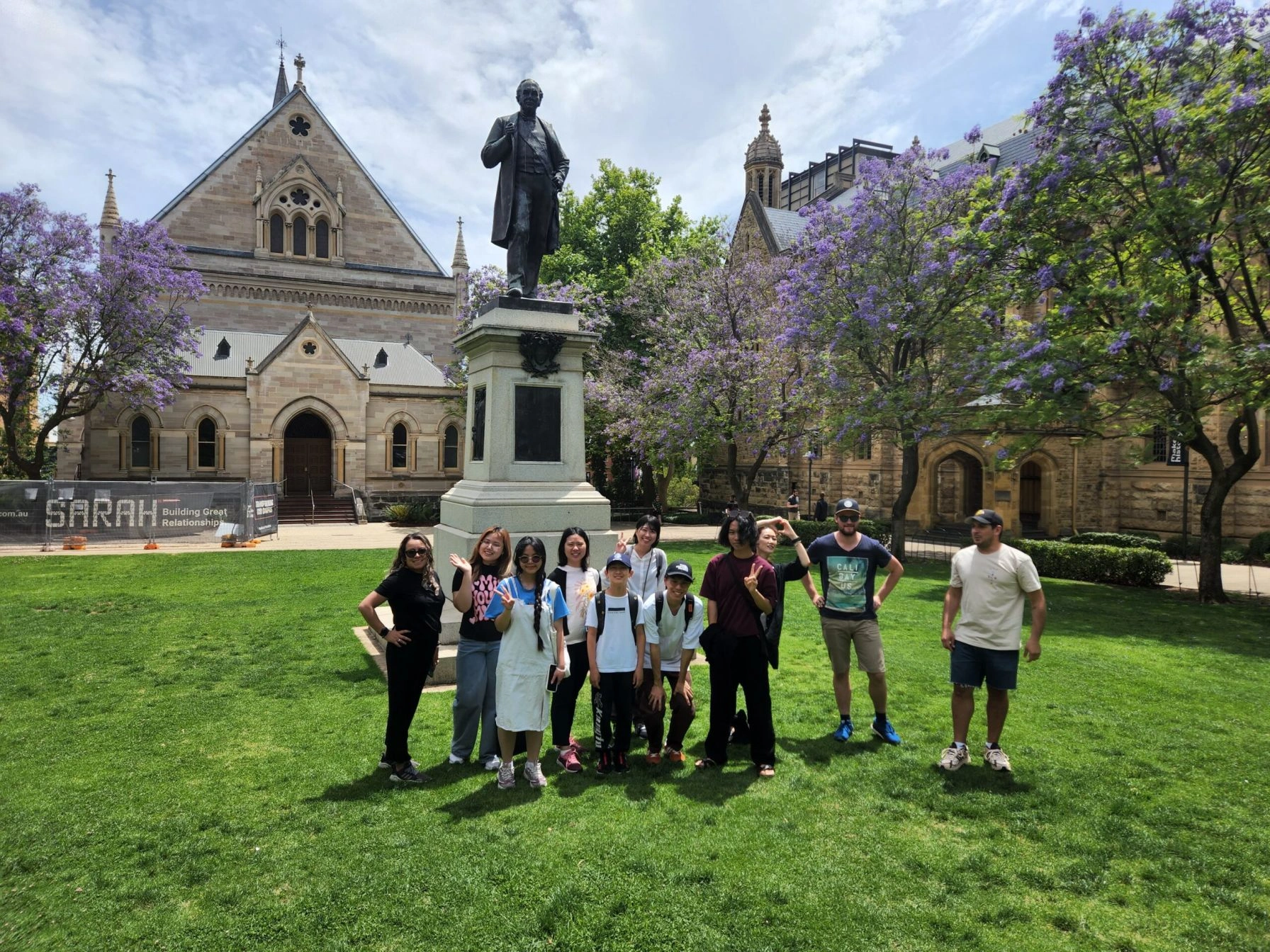
Adelaide is one of Australia’s most liveable cities, and it is an excellent place to study English. The city is quieter and less crowded than Sydney or Melbourne, which makes it easier to focus on your studies. English is the language you will hear in every shop, café, and public space, so every day in Adelaide is an opportunity to practise.
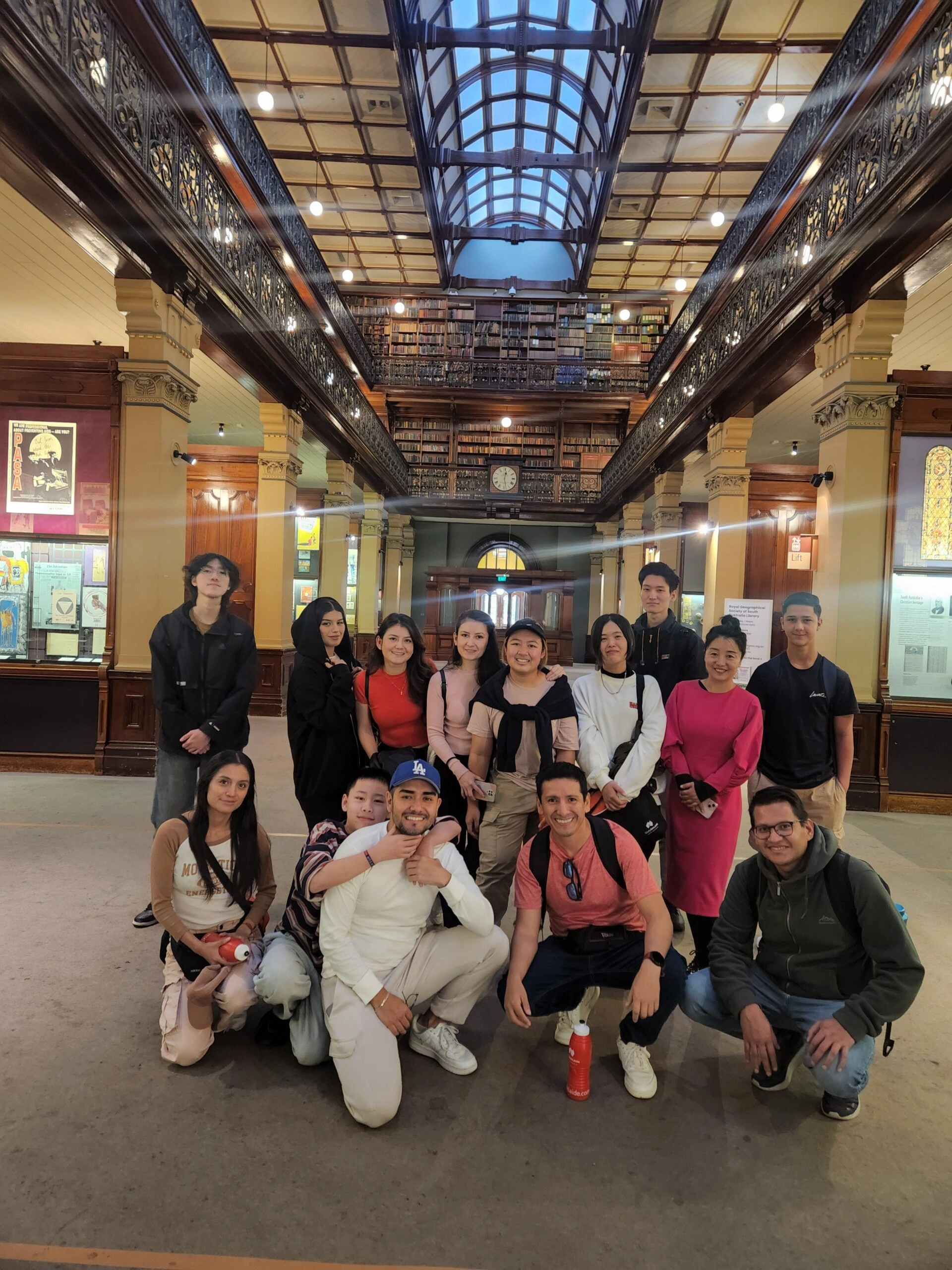
Adelaide also has a large international student community. You will find students from all over the world preparing for tests like IELTS, which means you are never alone in your journey. Study groups, language exchange meetups, and English conversation events are easy to find across the city.
South Australian College of English (SACE) has been helping students reach their IELTS goals for over 40 years. The IELTS preparation courses at SACE are designed specifically for students who need a targeted band score for university entry, professional registration, or migration purposes.
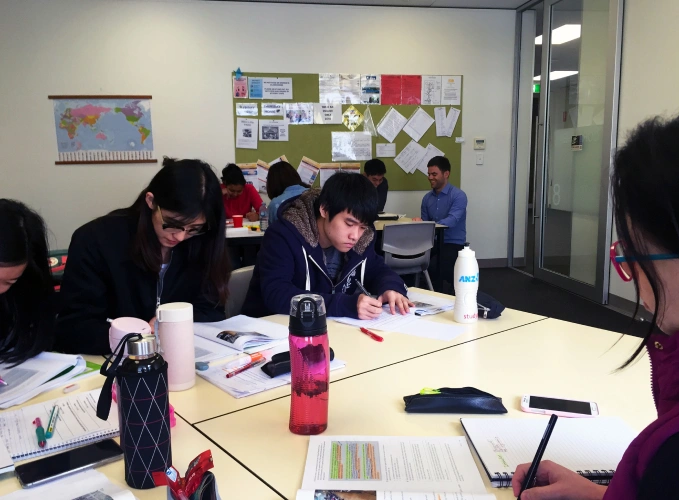
At South Australian College of English (SACE), you will benefit from small class sizes, which means your teacher can give you personal attention and feedback. The program includes regular mock tests under real exam conditions, so you can track your progress and identify which areas need more work before test day. Teachers provide structured feedback on your writing and speaking, which is one of the most effective ways to improve quickly.
The school is NEAS-accredited and centrally located in Adelaide, making it easy to combine your studies with daily life in the city. Whether you need to improve your speaking fluency, strengthen your writing, or sharpen your reading speed, the course structure at SACE is built to address all four skills systematically.
For more study tips and student resources, visit the SACE Insights page.
If you are ready to start preparing, here is a simple plan to follow:
Most Australian universities require an overall IELTS band score of 6.0 to 7.5, depending on the course and institution. Some programs, such as medicine, law, or teaching, may require higher scores in specific sections like Writing or Speaking. Always check the entry requirements of your chosen university before you set your study goal.
Preparation time depends on your current English level and your target band score. Students who are already at an upper-intermediate level (around B2) may need 6 to 10 weeks of focused study. Students starting from a lower level may need 3 to 6 months. Taking a placement test before you begin will help you plan a realistic timeline.
Yes, studying in Adelaide gives you real-world English practice that online study cannot fully replicate. You are surrounded by English speakers every day, which builds your listening and speaking skills faster. Face-to-face classes also allow teachers to give immediate feedback on your pronunciation and fluency, which is difficult to achieve through a screen.
IELTS Academic is required for most university degree programs and some professional registrations. IELTS General Training is used for migration purposes and some vocational courses. Both tests include the same Listening and Speaking sections, but the Reading and Writing tasks are different. Check which version your university or visa application requires before you enrol in a preparation course.
There is no limit to how many times you can take the IELTS exam. If you do not reach your target score, you can rebook and try again. However, most testing centres ask you to wait at least 24 hours between sittings. Using your preparation course to identify weak areas and address them before reattempting the test is the most efficient approach.
Yes. South Australian College of English (SACE) offers IELTS preparation courses for students at different proficiency levels. Whether you are working towards a band 6.0 or aiming for a band 7.5, the course is structured to match your starting point and target score. Class sizes are small, so teachers can focus on the areas where each student needs the most improvement.
You will need to bring a valid passport or government-issued photo ID that matches the name on your test registration. You should also bring a pen or pencil for the Listening and Reading sections. Arrive at the test centre at least 30 minutes before your scheduled start time. Personal items such as phones, notes, and food are not allowed in the test room.
Absolutely. The skills you develop during IELTS preparation, including academic reading, structured writing, and formal speaking, are the same skills you will use in lectures, tutorials, and assignments at an Australian university. Many students find that their general confidence in English improves significantly during their preparation course, not just their test performance.
The IELTS exam is a challenge, but it is one that thousands of students pass every year with the right preparation and support. Adelaide gives you a genuine English-speaking environment to practise in, and a structured course gives you the tools and feedback to reach your target band score.
Ready to reach your target IELTS score? Join South Australian College of English (SACE)’s upcoming IELTS preparation intake in Adelaide and get the results you need. Explore the IELTS preparation course here.


Please Login To Add Wishlist