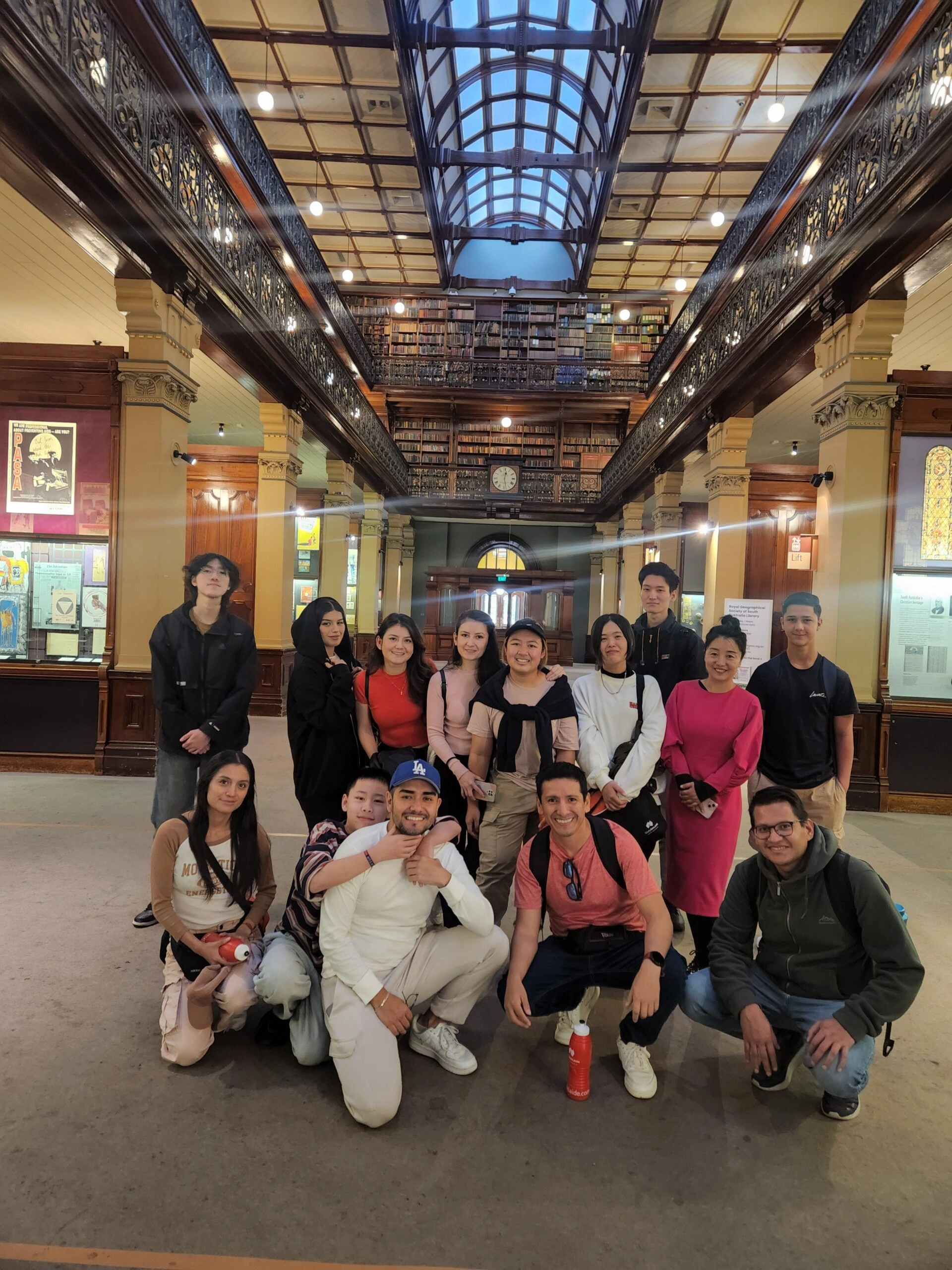
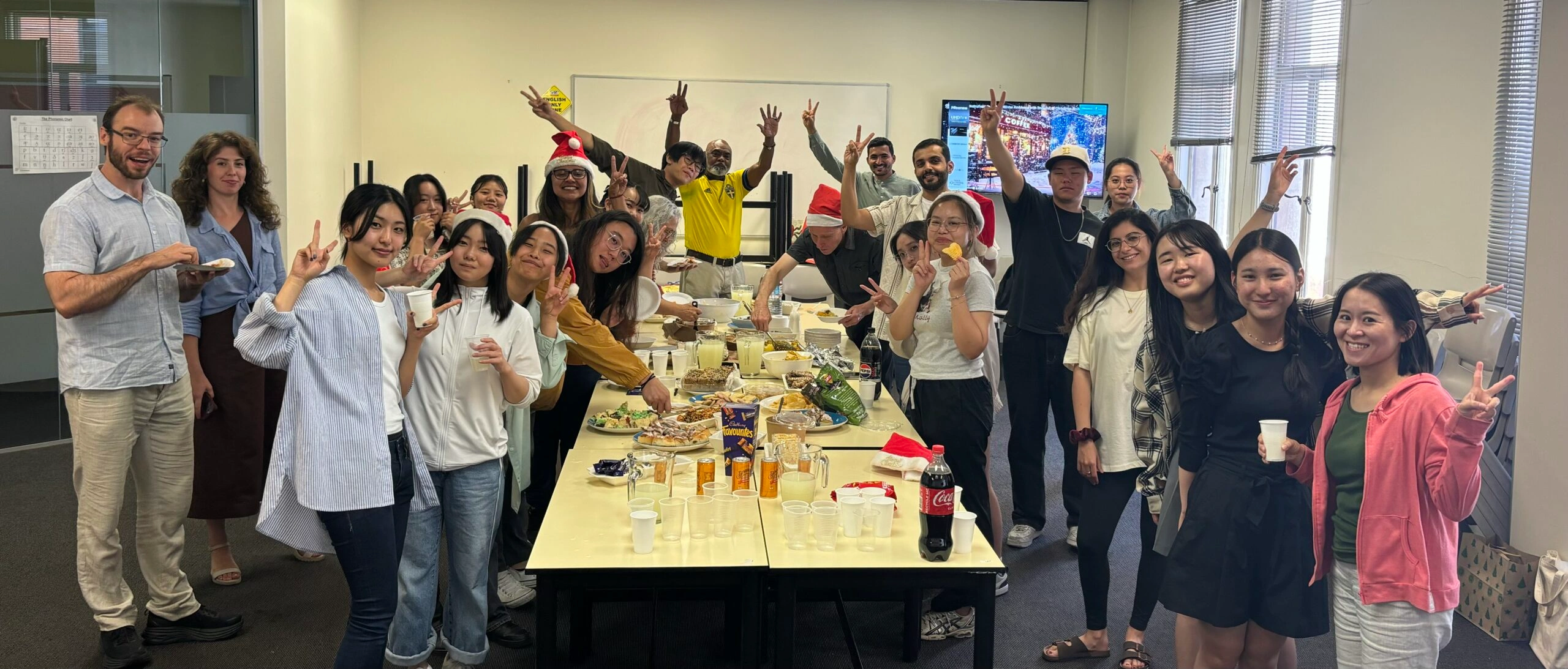
Most international students planning to study English in Australia default to Sydney or Melbourne. They’re the obvious choices. But students who’ve studied in Adelaide say the same thing when they arrive:
“I wish I’d found this city sooner.”
Adelaide is not a fallback. It’s a deliberate choice, made by students who’ve done the research. In 2026, with living costs, safety, and visa conditions all shifting, the case for Adelaide is stronger than it’s ever been.
Here are 10 reasons why.
Adelaide Is Significantly Cheaper Than Sydney or Melbourne in 2026
Cost of living matters more in 2026 than it did three years ago. Inflation has pushed student budgets across Australia.
Adelaide remains the most affordable major city.
- Weekly living costs: AUD $350–$700
- Monthly budget: AUD $2,592–$3,074
- Savings compared to Sydney: 16–47%
The difference is most visible in rent:
- Adelaide: AUD $300–$500/week
- Sydney: AUD $500–$1,000/week
That gap, sustained across a 12-week or 24-week course, is the difference between struggling and building savings.
Learn more about English course fees at SACE .
See the official guide on Adelaide cost of living for international students.
You Will Use Your English Outside the Classroom
Sydney and Melbourne have large international student communities where daily life can happen without using English.
Adelaide is different.
Its smaller international population means more real interactions with native speakers, neighbours, shop assistants, coworkers, and locals on public transport.
Language immersion outside the classroom accelerates fluency faster than additional classroom hours. Adelaide provides this environment by default.
One of the Safest Cities on Earth
Safety is a primary concern for international students and their families.
Adelaide’s safety record is strong and verifiable.
It ranked among the safest cities globally in the Forbes Adviser global safest cities ranking, and maintains a strong score on the Numbeo Adelaide safety index 2025–2026.
The city centre is compact, walkable, and well-lit. Students report feeling comfortable moving around independently, day or night.
A Mediterranean Climate With 2,768 Hours of Sunshine Per Year
Adelaide records an average of 2,768 sunshine hours annually, one of the highest figures of any major Australian city.
The climate is Mediterranean:
- hot, dry summers
- mild winters
- low rainfall (~430mm annually)
Sunlight, outdoor access, and physical activity have a direct and documented effect on mood, motivation, and study performance.
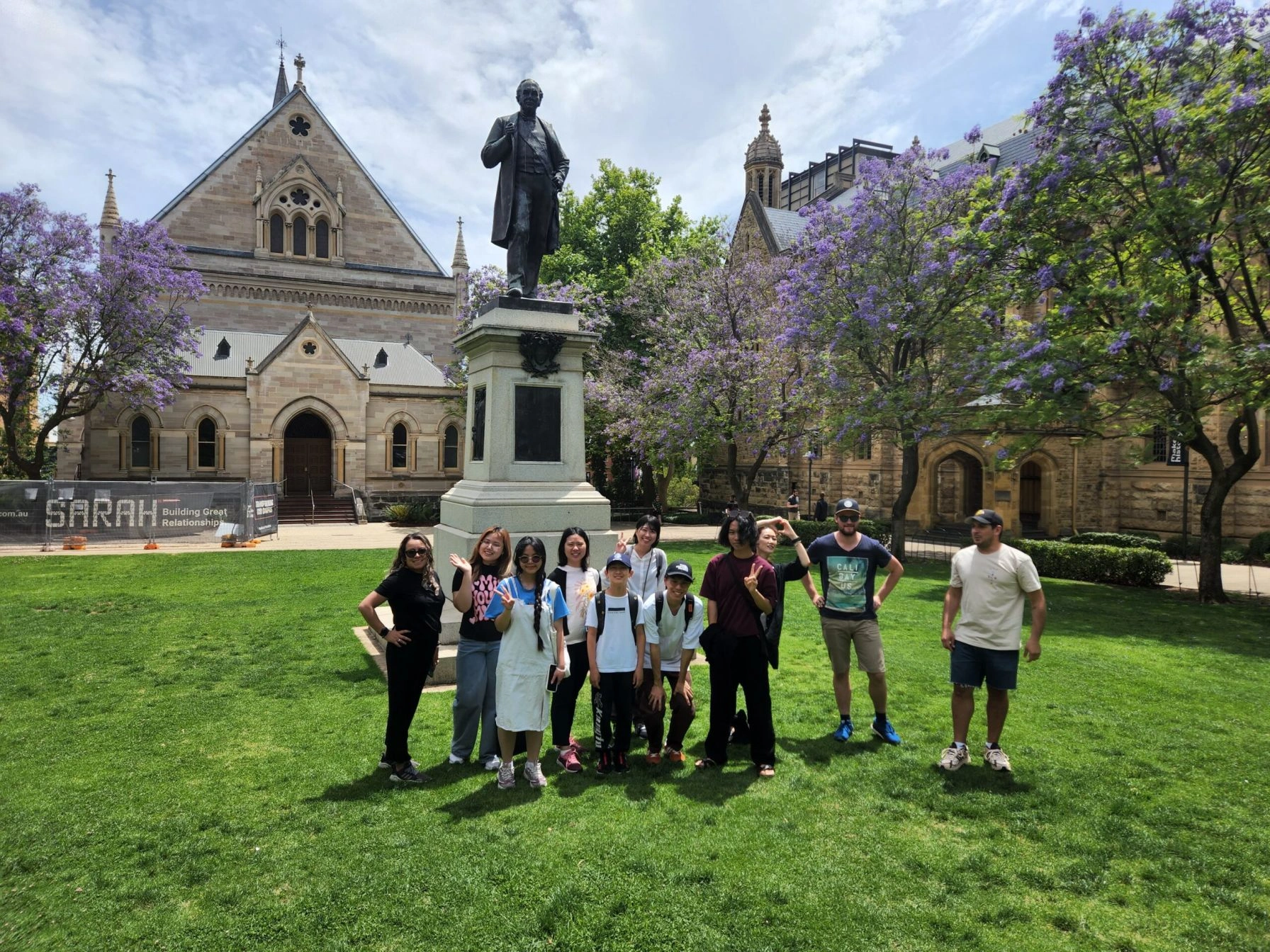
Students spend weekends at Glenelg Beach, cycling through the Adelaide Hills, and exploring the Central Market, not waiting for the rain to stop.
View official climate data from the Bureau of Meteorology Adelaide sunshine data.
Work Rights Are About to Get Better- Here's Where Things Stand in 2026
Currently, international students on a Student Visa (Subclass 500) can work:
- 48 hours per fortnight during study
- Unlimited hours during scheduled breaks
In February 2026, the Coalition proposed raising the on-course work limit to 60 hours per fortnight from 1st July 2026. This change is not yet law but is under consideration.
Regardless, Adelaide maximises your work rights:
- lower living costs mean earnings stretch further
- less competition for part-time roles
- strong hospitality and retail job availability
Read the latest update on Australia Student Visa Subclass 500 work conditions 2026.
Ready to begin? See how to enrol at SACE.
Direct Pathway Into Australian Universities and TAFEs
In 2026, universities are tightening direct entry requirements. Recognised pathway programmes matter more than ever.
SACE’s English for Tertiary Study (ETS) and IELTS Preparation courses provide direct entry pathways into:
- Flinders University
- CQ University
- Deakin University
- TAFE SA
- Equals
- Hospitality & hotel management institutions
Your English course is not a holding pattern; it is the first step towards an Australian degree.
Learn about English for Tertiary Study (ETS) at SACE.
Explore the pathway entry at Flinders University international pathway entry.
Small Class Sizes, Average of 14 Students Per Class
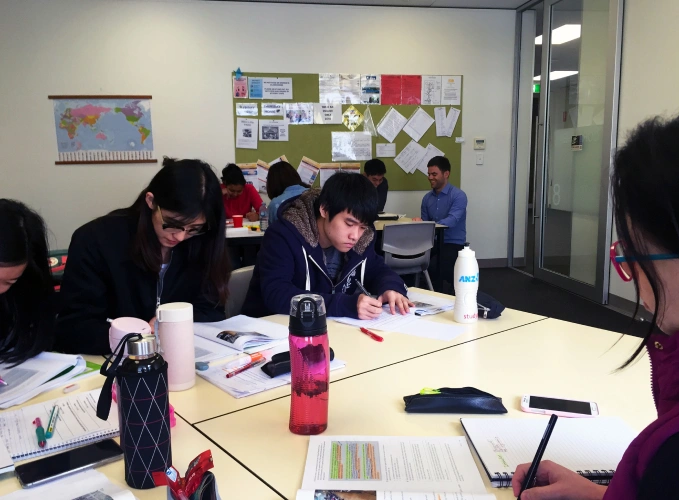
The average class size at SACE is 14 students (maximum 18).
Large schools in Sydney often run classes of 20 to 25 students.
This difference is significant:
✔ more speaking time
✔ more personalised correction
✔ detailed feedback
✔ faster progress
In a class of 14, you cannot stay quiet- and that initial discomfort produces progress by week four.
Discover General English courses in Adelaide at SACE.
Real Work Experience in Australian Businesses- Not Simulations
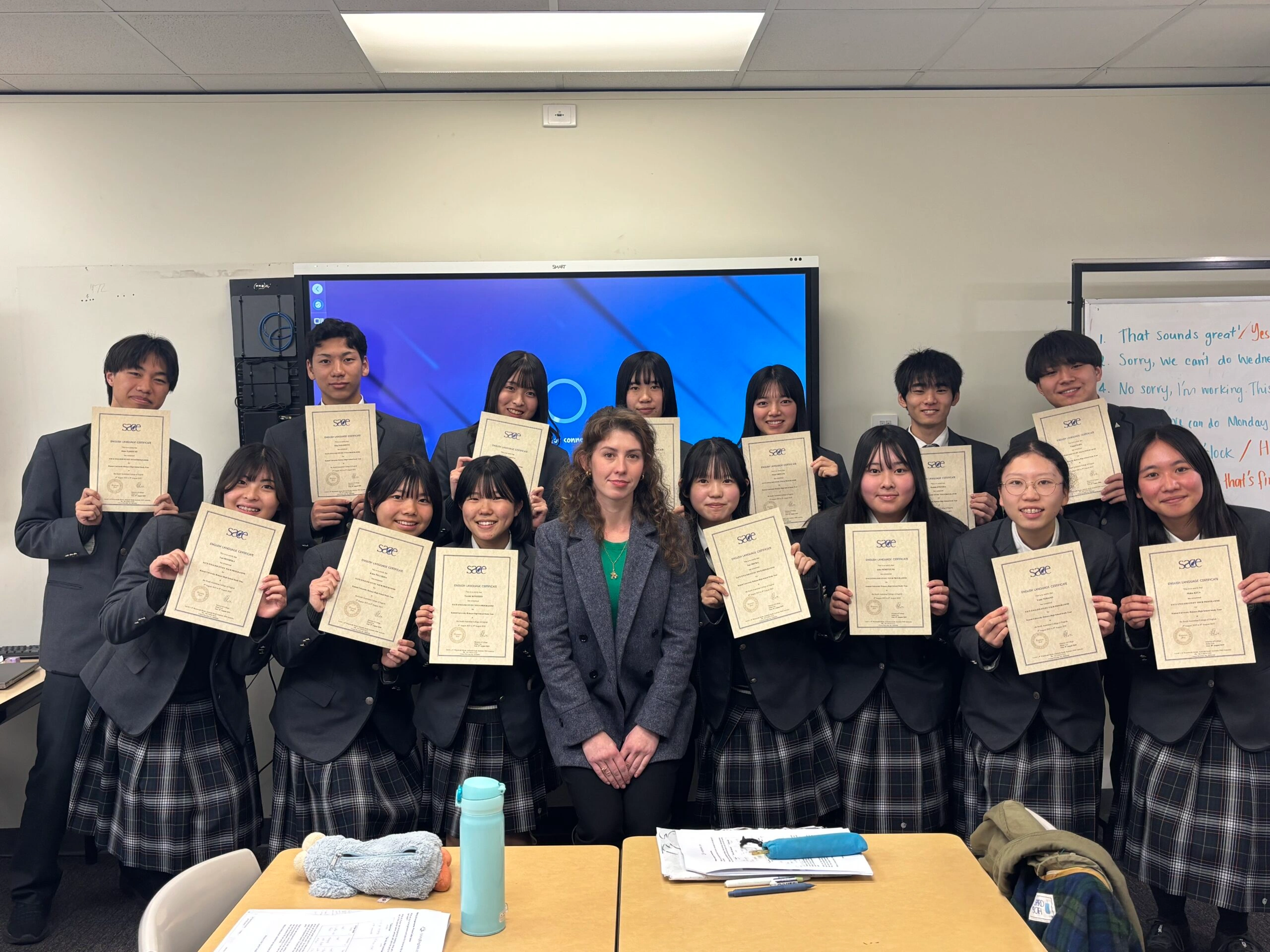
SACE’s English and Work Experience programme combines General English study with an unpaid professional placement in an Australian workplace.
Fields include:
- Business & accounting
- Architecture
- Media & PR
- Tourism & Hospitality
- Education & Childcare
- IT
This is live workplace English, handling customers, meeting deadlines, and communicating in real business environments.
It accelerates spoken fluency and adds verified Australian work experience to your CV.
Learn more about the English and Work Experience programme at SACE.
Less Competition for Part-Time Work Than Sydney or Melbourne
Adelaide has fewer international students competing for part-time jobs.
Opportunities exist in:
- Hospitality
- Retail
- Tourism
- Customer service
The benefits are twofold:
✔ more income to offset course costs
✔ more real-world English practice
Students working part-time consistently report faster improvement in conversational fluency.
Frequently Asked Questions
Start Your English Course in Adelaide
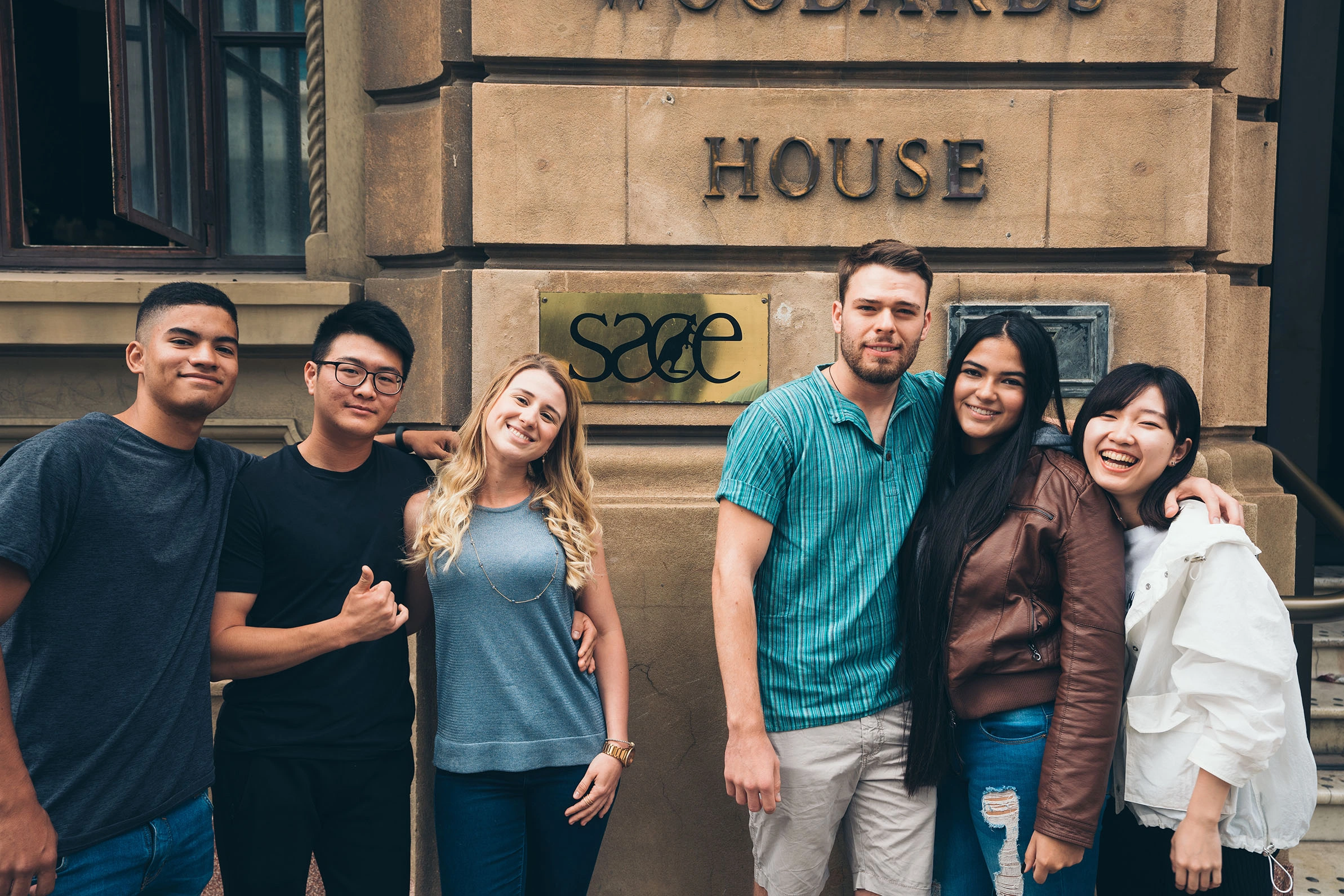
SACE has been teaching English in Adelaide since 1987. We are CRICOS registered, the authorised Cambridge Examination Centre in South Australia, and an approved CELTA teacher training centre. The average class size is 14 students.
Enquire about English courses at SACE.